· Alex Derville · 6 min read
10 Actionable Tips to Go Vegetarian And Actually Stick With It
Practical, actionable tips to transition to vegetarian eating and stick with it. From starting gradually and swapping meals to planning, nutrients, and handling social situations.

Thinking about going vegetarian is exciting… until real life kicks in: busy days, family habits, restaurant dinners, and that “what do I eat now?” moment in front of the fridge. The good news is that with a few simple strategies, going vegetarian can feel natural and sustainable for the long run.
1. Start Gradually Instead of Going All‑In Overnight
You don’t have to wake up one morning and remove every animal product from your plate. In fact, research and dietitians suggest that gradual change is easier to maintain and less overwhelming. Some ways to phase in vegetarian eating:
- Pick one or two “meatless days” per week and build from there.
- Start by removing red meat, then poultry, then fish, at your own pace.
- Try “vegetarian until dinner”: keep breakfast and lunch meat‑free, then adjust dinner when you’re ready. The slower you go, the more time you give your taste buds, routines, and social life to adapt.
Downloading an app such as Goodbye Meat can reinforce that gradual rhythm: logging meatless days and seeing your progress add up on screen often boosts motivation and makes the habit easier to notice—and to keep.
2. Decide Which Meats to Reduce First
The idea of cutting specific meats first is powerful because it gives a clear starting point. For many people, the easiest is:
- Drop beef and processed meats (sausages, bacon, cold cuts) first.
- Then reduce chicken and other poultry.
- Finally, tackle fish and seafood if you want to be fully vegetarian. You can also flip it: keep one “exception” (for example, fish) for a while, then revisit that later. The key is to make a conscious, written plan instead of vague intentions.
3. Audit Your Current Meals and Find Simple Swaps
Before you add a bunch of new foods, look at what you already eat. Many of your favorite meals are probably one small change away from being vegetarian. Try this:
- List 10 meals you eat regularly (pasta dishes, curries, tacos, sandwiches…).
- Mark the ones that are already meat‑free (pizza margherita, veggie pasta, cheese omelette).
- For the rest, imagine a simple swap: beans or lentils instead of minced meat, tofu instead of chicken, extra veggies instead of ham.
Examples:
- Chili: replace minced beef with kidney beans and lentils.
- Fajitas: swap chicken for marinated tofu or strips of bell pepper and mushrooms.
- Bolognese: try lentil bolognese or crumbled tofu cooked with tomato sauce and herbs.
This approach keeps your food familiar while quietly shifting it toward plants.
4. Learn Your Plant‑Based Protein Basics
One of the most common worries is: “Will I get enough protein?”. The answer is yes if you know your main vegetarian protein sources. Great options include:
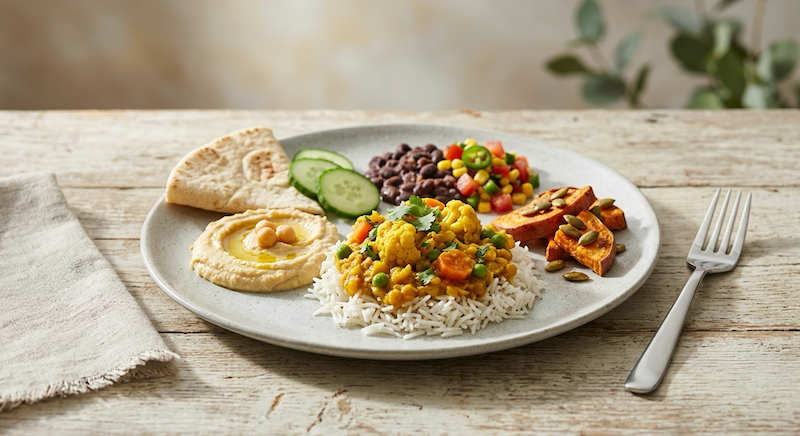
- Legumes: lentils, chickpeas, beans of all kinds.
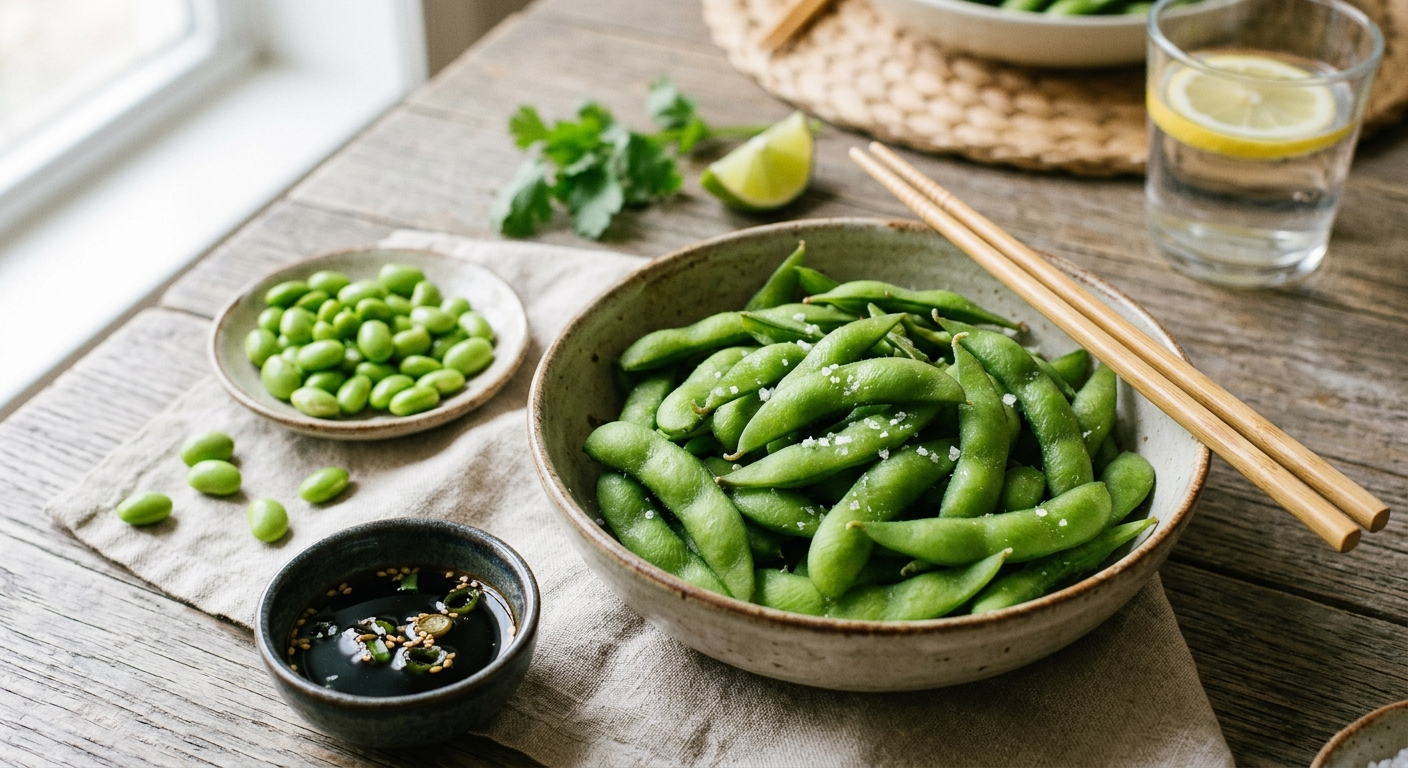
- Soy products: tofu, tempeh, edamame.
- Whole grains: quinoa, oats, whole‑grain bread and pasta.
- Nuts and seeds: almonds, walnuts, chia seeds, hemp seeds.
- Eggs and dairy (if you’re lacto‑ovo vegetarian): yoghurt, cheese, eggs. A simple rule: try to include a source of protein at every main meal (for example, lentils at lunch, tofu at dinner), rather than just removing meat and adding more bread or pasta.
5. Build Meals Around Whole Foods, Not Ultra‑Processed Substitutes
Veggie burgers, nuggets and fake meats can be helpful at the beginning, but they’re not a long‑term foundation. Many of these products are highly processed, high in salt or unhealthy fats, and not necessarily healthier than regular processed foods. For lasting habits, focus on:
- Vegetables and fruits in many colors.
- Whole grains (brown rice, quinoa, whole‑grain bread, oats).
- Legumes, nuts, seeds, and minimally processed soy products. Use mock meats as “training wheels” if they help, but slowly shift toward simpler, home‑cooked plant‑based meals.
6. Plan Your Meals (Especially in the Beginning)
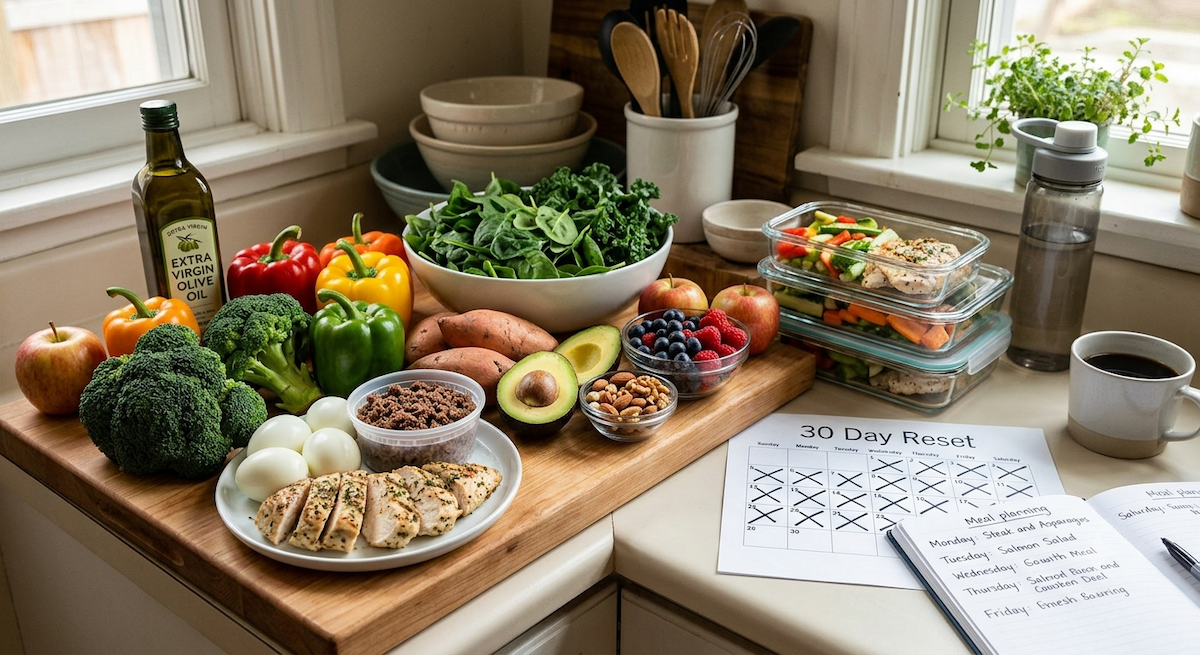
Winging it is a common way to fall back to meat “just this once.” Planning a few meals ahead makes vegetarian eating much easier, especially when you’re tired or busy. A practical structure:
- Choose 3–5 vegetarian dinners for the week (for example, lentil curry, veggie stir‑fry, chickpea pasta, tofu tacos, veggie soup).
- Cook double portions to have leftovers for lunch.
- Keep a few “emergency” options in the freezer or pantry: canned beans, frozen vegetables, whole‑grain bread, hummus, veggie burgers. You don’t need a perfect meal plan, just enough structure that you’re not stuck when you’re hungry.
7. Try One New Vegetarian Recipe Every Week
You don’t have to transform your cooking overnight. Adding just one new vegetarian recipe per week quickly builds a repertoire of go‑to meals you enjoy. You can:
- Pick a theme (for example, “pasta week”, “curry week”, “salad week”).
- Explore cuisines that are naturally rich in vegetarian dishes: Indian, Middle Eastern, Mediterranean, some East Asian dishes.
- Save your favorites in a notes app or inside your Goodbye Meat recipe list so you remember what actually worked for you.
After a few months, you’ll have 10–20 reliable recipes that make vegetarian eating feel effortless.
8. Watch Out for Common Nutrient Gaps
A well‑planned vegetarian diet can meet all your nutritional needs, but you do need to be a bit intentional. The main nutrients to pay attention to are:
- Iron: found in lentils, beans, tofu, spinach, fortified cereals; vitamin C (citrus, peppers) helps absorption.
- Vitamin B12: mainly in animal products; many vegetarians use fortified foods or supplements (talk to your healthcare provider).
- Omega‑3 fats: from walnuts, chia, flaxseeds, and some fortified products.
- Calcium: if you reduce dairy, look for fortified plant milks and calcium‑rich greens.
- Protein and calories overall: don’t just eat salad and white bread. Include whole grains, legumes, nuts, and healthy fats so you stay full and energized. If you’re unsure, a registered dietitian familiar with vegetarian diets can help you fine‑tune things.
9. Prepare for Social Situations and Eating Out
Many people don’t struggle in their own kitchen; they struggle at restaurants, family meals, or social events. A bit of preparation helps you stay vegetarian without feeling awkward. It is normal to feel like the odd one out: in most Western countries, fewer than one person in ten is vegetarian (here are the numbers by country). Some strategies:
- Check menus online beforehand and identify at least one vegetarian option or a dish you can customize.
- Don’t be shy about asking for modifications (for example, “Can I have the salad without chicken, and add extra beans?”).
- At parties, bring a vegetarian dish to share so you know there’s something you can eat.
- Eat a small, satisfying snack before events where you’re unsure about the food. Over time, people around you will get used to your new way of eating, and it will stop being a big topic.
10. Be Gentle With Yourself and Focus on Progress
Perfection is the fastest way to burn out. Long‑term vegetarians often say that being flexible and kind to themselves is what made it sustainable. Remember:
- If you slip and eat meat, it doesn’t “cancel” all your efforts. Just continue with your next meal.
- Celebrate small wins: one more meatless meal, a new recipe you love, a successful vegetarian restaurant night.
- Keep your personal reasons visible (health, animals, environment, curiosity); they help you stay motivated on tough days.
Vegetarianism is a journey, not a test you can fail.
About the Author

Founder of Goodbye Meat