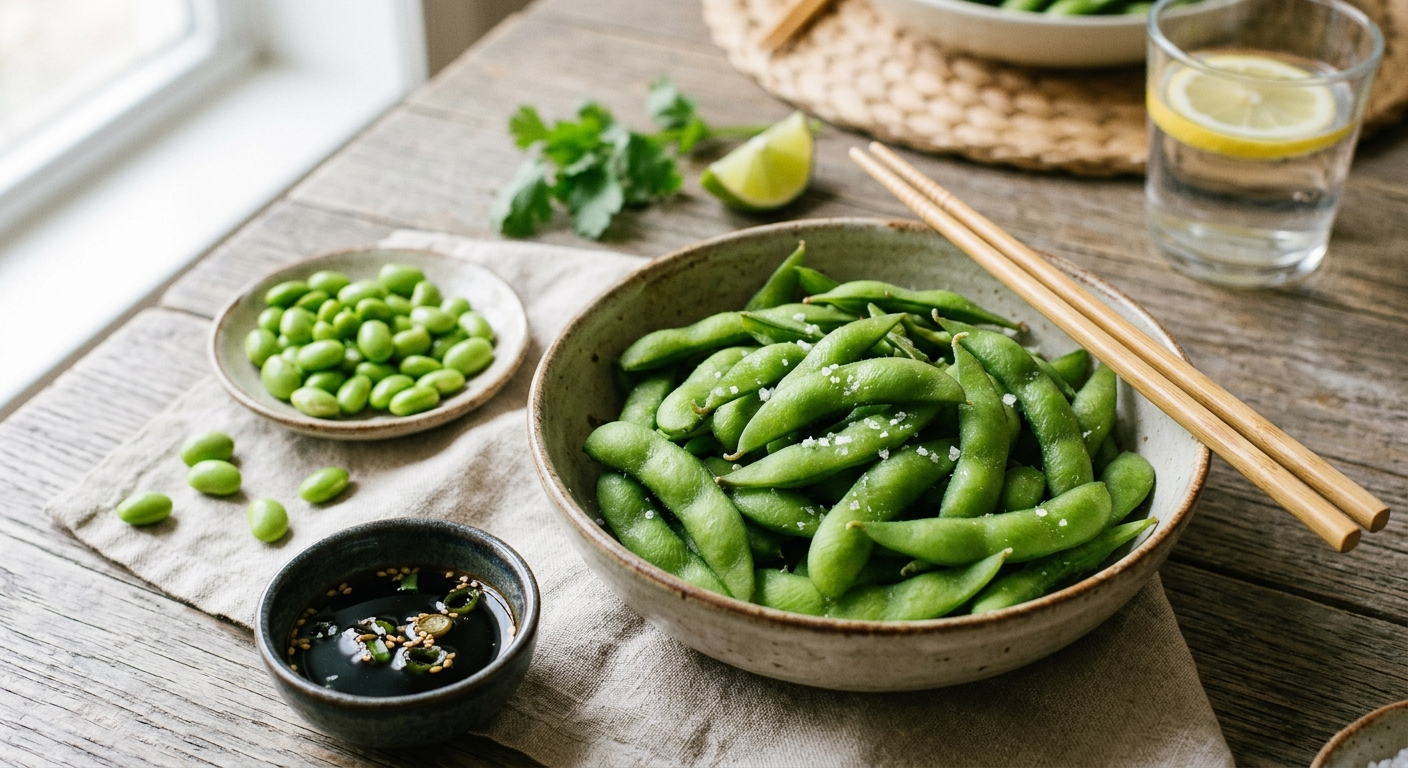
· Alex Derville · 9 min read
Flexitarian vs Paleo Diet: A Complete Comparison
Flexitarian vs paleo diet: plant-forward flexibility vs ancestral whole-food rules. Compare food rules, health, sustainability, and which pattern fits everyday life.
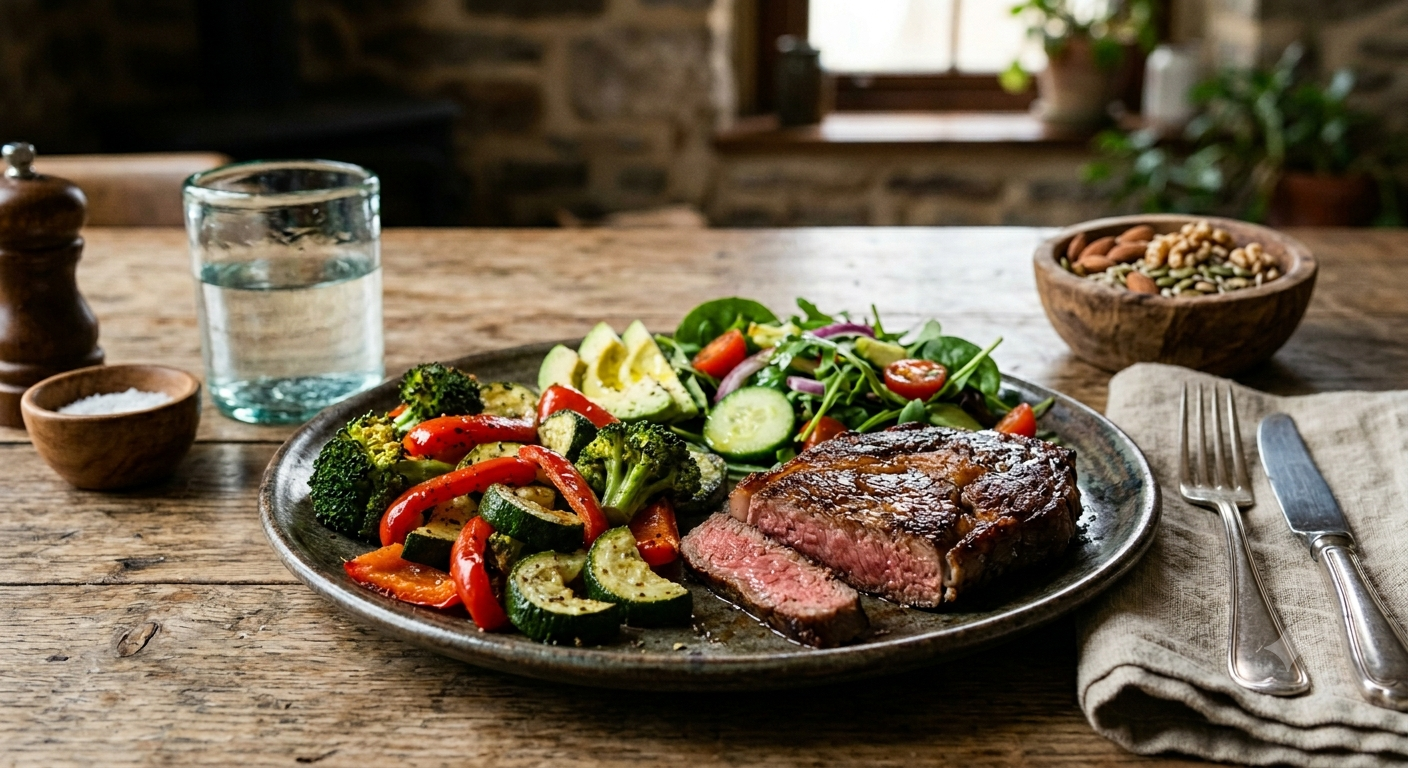
If you are comparing the flexitarian vs paleo diet, the main difference is simple: flexitarian is plant-forward and flexible, while paleo is restrictive and based on foods thought to resemble those eaten in the Paleolithic era. Both diets can improve eating habits, but they do so in very different ways, which makes the choice between them more about lifestyle fit than buzzwords.
Searching paleo vs flexitarian diet leads to the same comparison from the other direction: one pattern starts from plants and adds meat sometimes; the other starts from meat, fish, eggs, and non-starchy plants and removes grains, legumes, and dairy. This guide walks through rules, nutrition, sustainability, and day-to-day practicality so you can decide which fits you.
For definitions of every major label, see Defining dietary patterns. If you are weighing two plant-forward options instead, read Flexitarian vs pescatarian.
Quick comparison
| Aspect | Flexitarian diet | Paleo diet |
|---|---|---|
| Main idea | Mostly plant-based, with occasional meat or fish | Eat “ancestral” whole foods and avoid modern processed foods |
| Meat | Limited, optional | Allowed, often emphasized |
| Fish and seafood | Optional | Allowed |
| Dairy | Usually allowed, but optional | Usually avoided |
| Grains | Usually allowed | Avoided |
| Legumes | Usually allowed | Avoided |
| Processed foods | Limited, but not strictly banned | Strongly limited or avoided |
| Flexibility | High | Low to moderate |
| Sustainability | Generally more sustainable | Usually less sustainable |
| Ease long term | Easier for many people | Harder to maintain for some |
What is the flexitarian diet?
The flexitarian diet is a mostly vegetarian eating pattern that still allows meat, poultry, or fish in moderation. The idea is to center meals around plants such as vegetables, fruits, legumes, whole grains, nuts, and seeds, while keeping animal foods as occasional additions rather than the base of the plate.
This makes flexitarian eating one of the most approachable ways to reduce meat without going fully vegetarian or vegan. It is often chosen by people who want health benefits, lower environmental impact, or more variety without giving up all animal products.
What is the paleo diet?
The paleo diet is based on the idea of eating foods that are closer to what humans may have eaten before modern agriculture. In practice, that usually means meat, fish, eggs, vegetables, fruits, nuts, and seeds, while excluding grains, legumes, dairy, refined sugar, and many processed foods.
Supporters of paleo often value its whole-food focus and its simplicity: if a food does not fit the ancestral model, it usually does not belong on the plate. The trade-off is that paleo can be quite restrictive, especially for people who rely on grains, beans, or dairy for convenience, cost, or nutrition.
Core differences
The biggest difference between flexitarian and paleo is not just which foods they allow, but how they are built. Flexitarian starts from plants and adds animal products only sometimes, while paleo starts from animal foods and non-starchy plants and removes several major food groups.
That leads to very different meal patterns. A flexitarian lunch might be a grain bowl with vegetables, beans, and a little cheese or chicken. A paleo lunch might be a salad with salmon, avocado, olive oil, and no grains, beans, or dairy.
Another major difference is philosophy. Flexitarian is a practical, modern, adaptable approach. Paleo is more rule-based and more tied to a specific theory about human evolution and food.
Food rules
Flexitarian diets are flexible by design, so there is no single rigid rulebook. Most versions encourage vegetables, legumes, fruits, whole grains, and plant proteins as everyday staples, with meat and fish eaten less often or in smaller portions.
Paleo is much stricter about exclusions. Commonly avoided foods include grains, beans, lentils, soy products, dairy, refined sugar, and ultra-processed packaged foods. That means paleo often removes many foods that are considered healthy in other diet patterns, especially legumes and whole grains.
Health benefits
Both diets can improve diet quality if they replace processed foods with more whole foods. A well-planned flexitarian diet may support heart health, weight management, and better fiber intake because it encourages more plants and less red meat.
Paleo may also help some people reduce ultra-processed food intake and improve satiety, especially if it replaces sugary snacks and refined carbs with protein and vegetables. Some people feel better on paleo because it naturally removes many common trigger foods, although that does not mean the diet is automatically healthier for everyone.
The important point is that a diet can be effective without being perfect. Flexitarian often wins on overall balance, while paleo may feel more structured for people who do well with clear rules.
Nutritional concerns
Flexitarian is generally easier to balance nutritionally because it includes more food groups. It can provide fiber, iron, calcium, and plant compounds more easily, especially when it includes legumes, whole grains, nuts, seeds, and dairy or fortified alternatives.
Paleo has more nutritional blind spots. Cutting out grains and legumes can make it harder to get enough fiber, folate, calcium, and certain B vitamins, depending on food choices. If dairy is also excluded, calcium intake can become another concern.
Paleo can still be nutrient-rich, but it requires more planning. Flexitarian usually asks for less effort to stay nutritionally complete because it allows a broader range of foods. If you have medical conditions or are pregnant, a registered dietitian can tailor this to you; this article is general education, not medical advice.
Sustainability impact
From an environmental point of view, flexitarian is often the better fit. Because it reduces meat intake without eliminating it completely, it can lower the carbon footprint of eating while remaining realistic for many people.
Paleo is usually less sustainable because it often relies more heavily on animal products, especially meat. Since animal-based foods generally have a higher environmental footprint than plant foods, paleo can be harder to align with a low-impact lifestyle. Approximate emissions by diet type are summarized in How the diets compare.
For readers who care about climate, biodiversity, or reducing food emissions, flexitarian usually has the advantage. This is especially relevant for Goodbye Meat readers who are looking for a less meat-centered way of eating.
Daily practicality
Flexitarian is usually easier to follow in real life. You can eat out, travel, share meals with family, and adapt recipes more easily because the diet allows more flexibility and fewer hard bans.
Paleo can be more difficult in social settings. Restaurants, workplaces, family meals, and budget shopping can all become more complicated when you have to avoid grains, legumes, dairy, and many packaged foods.
That does not mean paleo is impossible. It just means it tends to reward people who enjoy structure and are willing to spend more time planning meals. Goodbye Meat can help you track meatless days and build plant-forward habits without forcing a single label on day one.
Weight loss and satiety
Some people use both diets for weight loss, but the results usually come from food quality and calorie intake, not from the label itself. Flexitarian can support weight management because it tends to increase fiber-rich, lower-calorie foods like vegetables, beans, and whole grains.
Paleo can also support weight loss for people who naturally eat fewer processed foods and more protein. Its higher protein intake may improve fullness, which can make it easier to eat less without feeling deprived.
In practice, the “better” option depends on your habits. If you prefer volume eating and plant-based meals, flexitarian may feel easier. If you prefer higher-protein meals and clear food rules, paleo may suit you better.
Who should choose flexitarian?
Flexitarian is a strong choice if you want to eat less meat without strict rules. It works well for people who value flexibility, family-friendly meals, sustainable eating, and a gradual transition toward plant-based habits.
It is also a good option if you want to improve your diet without cutting out entire food groups. Because it is less rigid, it is often easier to maintain for the long term.
Who should choose paleo?
Paleo may appeal to people who like structure and want a very clear list of allowed and excluded foods. It may also suit people who feel better when they reduce ultra-processed foods, refined sugar, grains, or dairy.
That said, paleo is not the best fit for everyone. People who want maximum flexibility, lower cost, or a more plant-forward diet often find it harder to sustain.
Which one is better?
If your priority is sustainability, everyday practicality, and a balanced long-term eating pattern, flexitarian is usually the better choice. It is easier to maintain, easier to adapt, and more aligned with a plant-forward lifestyle.
If your priority is strict food rules and a high-protein, whole-food framework, paleo may be a better match. It can work well for some people, but it is more restrictive and usually less environmentally friendly.
For most readers, flexitarian is the more modern and realistic option. Paleo may be useful as a short-term reset or a structured experiment, but flexitarian is generally easier to live with over time.
Common questions
Is flexitarian healthier than paleo?
Not automatically, but it is often easier to make flexitarian nutritionally balanced because it includes more food groups. Paleo can be healthy too, but it usually requires more planning to avoid nutrient gaps.
Is paleo a type of low-carb diet?
Often yes, but not always in the strictest sense. Paleo usually cuts out grains and legumes, which lowers carbohydrate intake for many people, but it is not identical to a formal low-carb or keto diet.
Can you be flexitarian and paleo?
Not really in the strict sense, because the diets are built on different rules. Flexitarian allows grains, legumes, and usually dairy, while paleo removes them.
Which diet is easier for beginners?
Flexitarian is usually easier for beginners because it does not require as many exclusions. It is often the better entry point for anyone trying to eat more plant-based meals.
Paleo vs flexitarian diet: which is better for the planet?
Broadly, flexitarian tends to win because it usually means less meat, especially less beef, while paleo often keeps animal protein central.
Final thoughts
The flexitarian vs paleo diet debate is really a debate between flexibility and structure. Flexitarian is the more adaptable, plant-forward, and sustainable option, while paleo is the more restrictive, rule-based one.
For most people, flexitarian is easier to maintain and easier to fit into everyday life. Paleo may appeal if you want a stricter framework, but flexitarian usually offers the better balance of health, practicality, and long-term sustainability.
About the Author

Founder of Goodbye Meat