· Alex Derville · 9 min read
Whole30 vs Flexitarian Diet: Which One Fits Your Lifestyle?
Whole30 vs flexitarian diet: a strict 30-day reset vs a flexible, plant-forward lifestyle. Compare rules, sustainability, health evidence, and which pattern is easier to maintain long term.
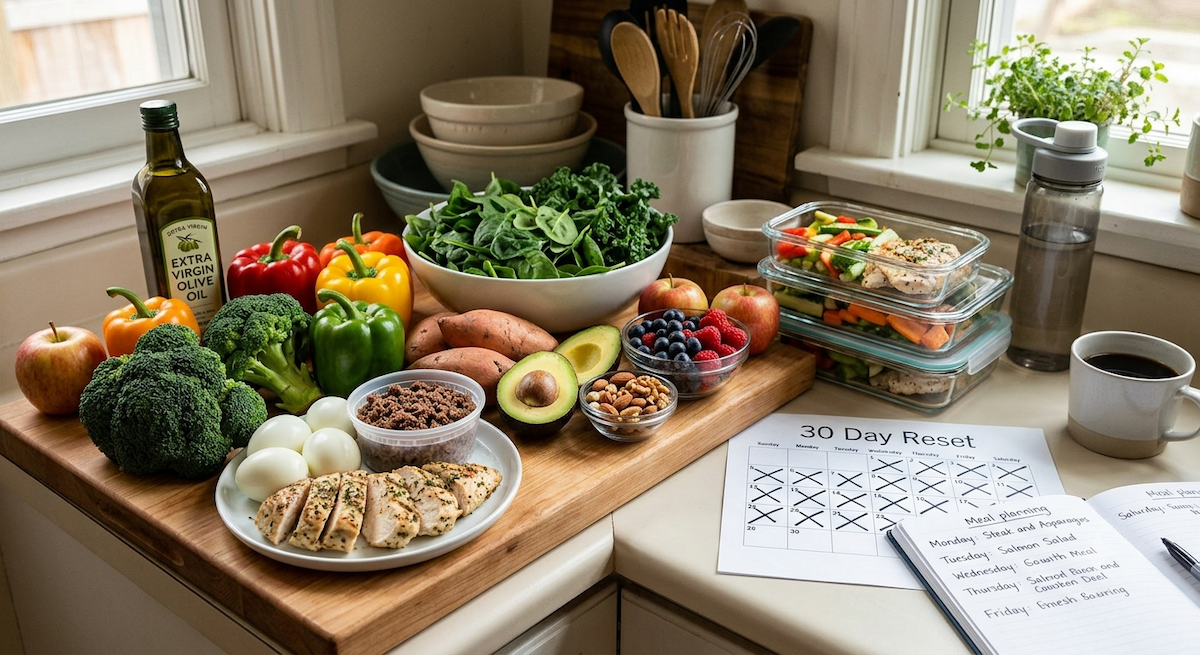
You have probably heard of Whole30 as a 30-day “reset” and flexitarian as a gentler, plant-forward way of eating. If you are trying to choose between the two, this guide walks through how they work, how strict they are, and how each one fits with a more sustainable, lower-meat lifestyle.
Searching flexitarian vs Whole30 leads to the same comparison from the other direction: one pattern is a short-term elimination challenge with hard rules; the other is a flexible long-term habit built around more plants and less meat. Neither is automatically “better,” but they solve very different problems.
For definitions of every major label, see Defining dietary patterns. If you are comparing flexitarian to other structured diets, read Flexitarian vs paleo or Flexitarian vs pescatarian.
Quick comparison
| Aspect | Whole30 | Flexitarian diet |
|---|---|---|
| Main idea | 30-day elimination reset, then reintroduction | Mostly plant-based, with flexible amounts of meat |
| Duration | 30 strict days + reintroduction phase | No end date; long-term lifestyle |
| Rules | Very strict; any “slip” breaks the program | No fixed rulebook; spectrum of practice |
| Meat and fish | Allowed and often central at meals | Reduced, not banned; occasional portions |
| Grains | Excluded during the program | Usually allowed |
| Legumes | Excluded during the program | Central protein source |
| Dairy | Excluded during the program | Usually allowed, but optional |
| Added sugar/alcohol | Excluded | Limited by choice, not by program rules |
| Plant-forward fit | Low; meat-heavy by design | High; plants are the default |
| Sustainability | Not designed around lower meat intake | Aligned with reducing diet-related impact |
| Best for | Short-term food experiments with clear rules | Gradual, realistic shift toward more plants |
What is the Whole30 diet?
Whole30 is a short-term, 30-day elimination program created in 2009 by Melissa Urban and Dallas Hartwig. The idea is to remove a list of foods that might be “problematic” for some people, then reintroduce them one group at a time to see how your body reacts.
During the 30 days, you focus on:
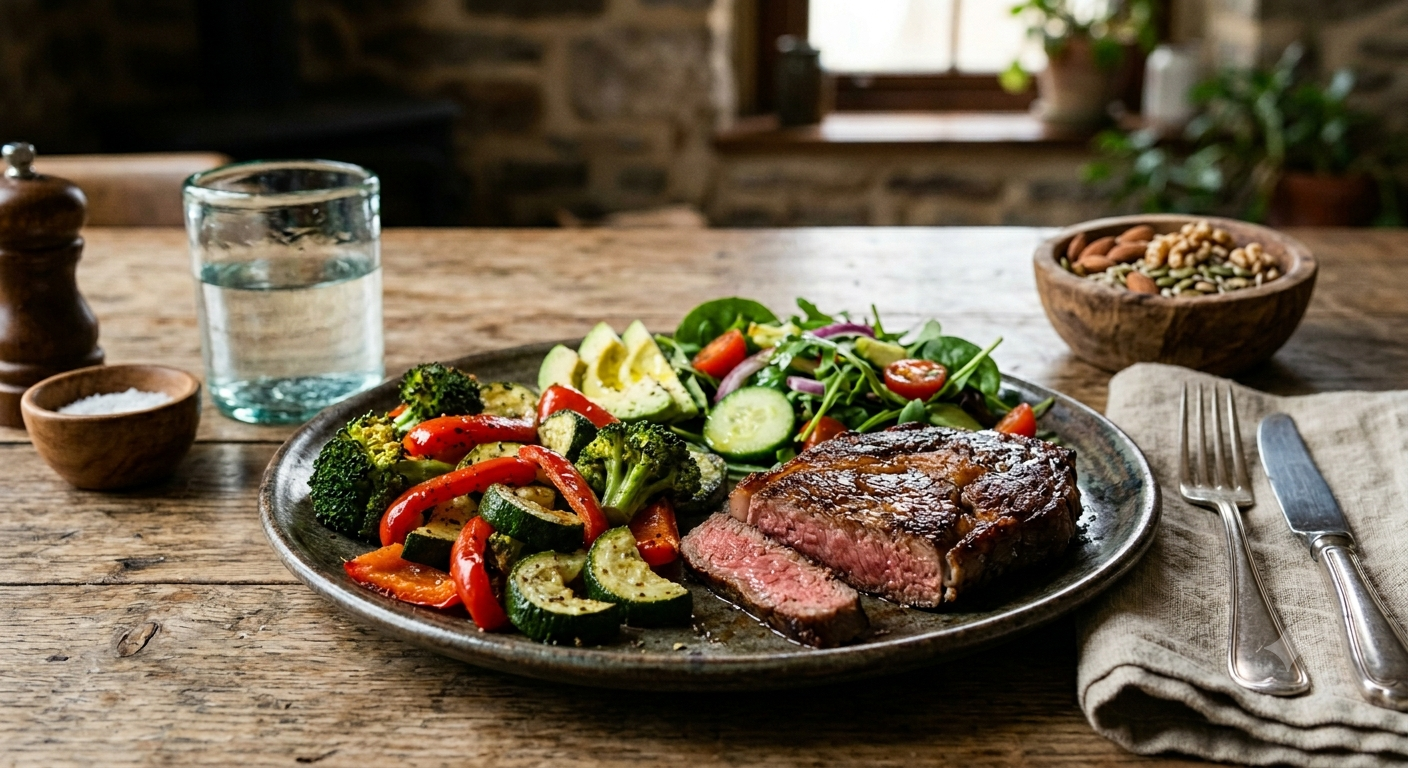
- Whole foods: meat, fish, eggs, vegetables, fruit, and some natural fats
- A strict “no” list: added sugar, alcohol, grains, legumes, dairy, and certain processed foods
After that, you are supposed to reintroduce excluded foods one group at a time to notice changes in digestion, energy, mood, or sleep.
Supporters say Whole30 can help with cravings, bloating, and energy levels. However, there is very little direct scientific research on Whole30 as a complete program. Most health professionals see it as a very restrictive short-term diet: it can reduce ultra-processed foods and added sugar, but it also cuts entire food groups and may not be necessary—or safe—for everyone, especially without professional guidance.
Whole30 is also naturally meat-heavy and not designed with vegetarians, vegans, or environmental impact in mind. A plant-based version exists, but it is still an elimination framework rather than a flexible, everyday pattern.
What is a flexitarian diet?
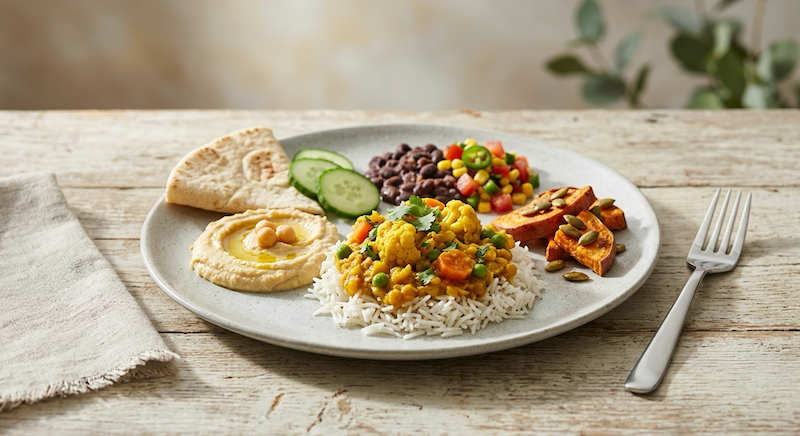
A flexitarian diet is a mostly plant-based way of eating that still allows small, flexible amounts of meat, fish, eggs, or dairy. Think: vegetarian most of the time, but not 100%.
Typical flexitarian habits include:
- Making plants the default: vegetables, fruits, whole grains, legumes, nuts, and seeds
- Reducing, not banning, animal products (for example, meat only a few times a week or in smaller portions)
Unlike Whole30, flexitarian eating is meant to be a long-term lifestyle, not a 30-day challenge. It is generally easier to maintain and is supported by growing research for both health and environmental benefits, especially when it replaces high-meat, ultra-processed diets with more whole plant foods.
Whole30 vs flexitarian: key differences
1. Rules and restriction level
Whole30 runs on strict rules for 30 days: no added sugar, alcohol, grains, legumes, dairy, or certain processed foods. Any “slip” technically breaks the program. It is designed as a short-term reset, not a permanent daily pattern.
Flexitarian has no fixed rulebook. It is a spectrum built around “more plants, less meat” rather than hard bans. It is designed as a flexible, long-term way of eating.
If you love all-or-nothing challenges, Whole30 might feel motivating. If strict rules stress you out, flexitarian is more forgiving.
2. Duration and sustainability
Whole30 lasts 30 days of strict rules plus a reintroduction phase. Some people repeat it or use it to “get back on track,” but it is not meant to be followed exactly forever.
Flexitarian has no end date. You can start by making one meal per day or a few days per week plant-based, and gradually shift your baseline over months or years.
For most beginners, especially those thinking about long-term health and habits, flexitarian usually feels more realistic.
3. Plant vs animal focus
Whole30 emphasizes animal protein at most meals and excludes legumes and grains during the program—two major plant-based protein sources. It is not naturally aligned with vegetarian or vegan lifestyles.
Flexitarian makes plants the default; meat becomes an occasional extra. Legumes, whole grains, nuts, and seeds are central to the diet. It is an easy stepping stone toward vegetarian or mostly plant-based eating.
If you are already curious about vegetarian or vegan eating, flexitarian is much closer to your goals than a classic Whole30.
4. Health evidence and risks
Whole30 pros: pushes you to cook more, eat fewer ultra-processed foods, and pay attention to how different foods make you feel.
Whole30 cons: very restrictive; removes entire food groups; limited direct scientific evidence on the full program; may be risky or triggering for people with certain health conditions or a history of restrictive eating.
Flexitarian pros: backed by research as a balanced, plant-forward pattern linked to better heart health, lower chronic disease risk, and higher fiber intake.
Flexitarian cons: outcomes depend on how you implement it. A “flexitarian” who still eats lots of processed food will not see the same benefits as one who centers whole plants.
If you have medical conditions, are pregnant, or have a history of disordered eating, talk to a registered dietitian before starting a strict elimination program. This article is general education, not medical advice.
5. Environmental and ethical angle
Whole30 is traditionally built around regular meat consumption and is not primarily designed with climate or sustainability in mind.
Flexitarian is designed to lower meat intake and increase plant foods. It is better aligned with reducing diet-related environmental impact and is often chosen by people who want to balance health, ethics, and practicality.
For readers who care about climate and animal welfare, flexitarian (or even more plant-based patterns) generally align better with those values than a meat-centric Whole30. Approximate emissions by diet type are summarized in How the diets compare.
Daily practicality
Flexitarian is usually easier to follow in real life. You can eat out, travel, share meals with family, and adapt recipes around your culture, budget, and social life because the diet allows more flexibility and fewer hard bans.
Whole30 can be more demanding in social settings. Restaurants, workplaces, and family meals become harder when grains, legumes, dairy, sugar, and alcohol are all off the table for a full month. That does not make it impossible, but it rewards people who enjoy structure and are willing to plan ahead.
Goodbye Meat can help you track meatless days and build plant-forward habits without forcing a single label on day one—whether you are experimenting with Whole30-style resets or shifting toward flexitarian eating.
So, which one should you choose?
Whole30 can act like a strict, short-term experiment. It may help some people notice how certain foods affect them, but it also comes with clear downsides: high restriction, limited evidence, and a strong reliance on animal products.
A flexitarian diet, on the other hand, is softer but steadier. It lets you:
- Eat more plants without perfectionism
- Gradually cut back on meat and ultra-processed foods
- Support both personal health and environmental goals
- Adapt your meals around your culture, budget, and social life
If your main goals are long-term health, a lower-meat lifestyle, and a realistic way to shift your habits, flexitarian eating is usually the more sustainable choice. Whole30 may be better viewed as a specific, time-boxed protocol that some people try with professional guidance—rather than a default recommendation.
For practical help making the transition stick, see 10 actionable tips to go vegetarian (many apply even if you stay flexitarian) and 12 great vegan protein sources for plant-based protein ideas.
Common questions
Is Whole30 the same as paleo?
Not exactly, but they overlap. Both exclude grains, legumes, and dairy and emphasize whole foods. Paleo is an ongoing eating pattern based on “ancestral” foods; Whole30 is a fixed 30-day elimination program with a structured reintroduction phase. For a flexitarian comparison to paleo specifically, see Flexitarian vs paleo diet.
Can you do Whole30 as a vegetarian or vegan?
A plant-based Whole30 version exists, but the classic program is built around meat, fish, and eggs. Flexitarian or vegetarian patterns are usually a better fit if your goal is lasting plant-forward eating rather than a short elimination challenge.
Is flexitarian healthier than Whole30?
Not automatically, but flexitarian is often easier to make nutritionally balanced long term because it includes legumes, whole grains, and dairy if you want them. Whole30 may help some people reduce ultra-processed food intake for a month, but the full program has limited direct research and removes several food groups that are considered healthy in other patterns.
Which diet is better for weight loss?
Results usually come from food quality and calorie intake, not the label alone. Whole30 may reduce cravings and processed snacks for 30 days. Flexitarian can support weight management by increasing fiber-rich, lower-calorie plant foods. The better option is the one you can maintain after the first month.
Whole30 vs flexitarian: which is better for the planet?
Broadly, flexitarian wins because it is designed to reduce meat intake, especially red meat, while Whole30 often keeps animal protein central. See How the diets compare for approximate CO₂ figures by diet type.
Which is easier for beginners?
Flexitarian is usually the gentler on-ramp. There is no reset clock, no penalty for a “slip,” and you can improve one meal or one day at a time. Whole30 suits people who want a strict, time-limited challenge and are comfortable planning around many exclusions.
Final thoughts
The Whole30 vs flexitarian diet choice is really a choice between a short-term experiment and a long-term lifestyle. Whole30 offers structure and intensity for 30 days; flexitarian offers flexibility, plants at the center, and a path that aligns with lower-meat, more sustainable eating.
For most Goodbye Meat readers—people curious about eating less meat without an all-or-nothing reset—flexitarian is usually the more realistic default. Whole30 can still be useful as a personal food-awareness project, but flexitarian is the pattern most people can live with for years, not just a month.
About the Author

Founder of Goodbye Meat