· Alex Derville · 9 min read
12 Great Vegan Protein Sources
Compare 12 great vegan protein sources with protein per 100 g, realistic serving sizes, calories, and practical tips for building a balanced plant-based diet.
Starting a vegetarian or vegan diet often comes with one question I hear all the time: “How do I get enough protein?” The good news is that once you know where to look, plant-based protein is not hard to find at all.
What matters most is not chasing the single “highest-protein” food. What really helps is learning which foods are easy to eat regularly, which ones bring useful nutrients along with protein, and which ones fit naturally into real meals. That is the approach I recommend for beginners, because it is sustainable, simple, and much more useful than obsessing over numbers alone.
Why protein matters
Protein plays a key role in building and maintaining muscle, supporting immune function, and helping your body make enzymes and hormones. On a plant-based diet, the goal is not to find one magical food, but to build variety across the day.
That variety matters because different plant foods bring different amino acid profiles, fiber levels, and micronutrients. In practice, this means a mix of legumes, soy foods, grains, seeds, and other whole foods will usually serve you much better than relying on one “superfood.”
The best plant protein sources
Below I focus on foods that are genuinely useful in everyday life. I include protein and calories per 100 g, but I also note realistic portions where that makes more sense, especially for calorie-dense foods like nuts and seeds.
Soy foods
Soy is one of the most valuable protein families in a plant-based diet. It is versatile, affordable in many places, and easy to use in everything from breakfast to dinner.
Tofu is one of the easiest beginner-friendly protein foods. It is a complete protein, widely available, and very flexible in cooking. A common firm tofu serving of 150 g gives around 18 to 22 g of protein, depending on the product, with roughly 180 to 250 calories.
Tempeh is made from fermented soybeans and has a firmer texture and nuttier flavor than tofu. It is especially good for stir-fries, bowls, and sandwiches. Per 100 g, it typically provides about 19 to 20 g of protein and around 190 to 200 calories.
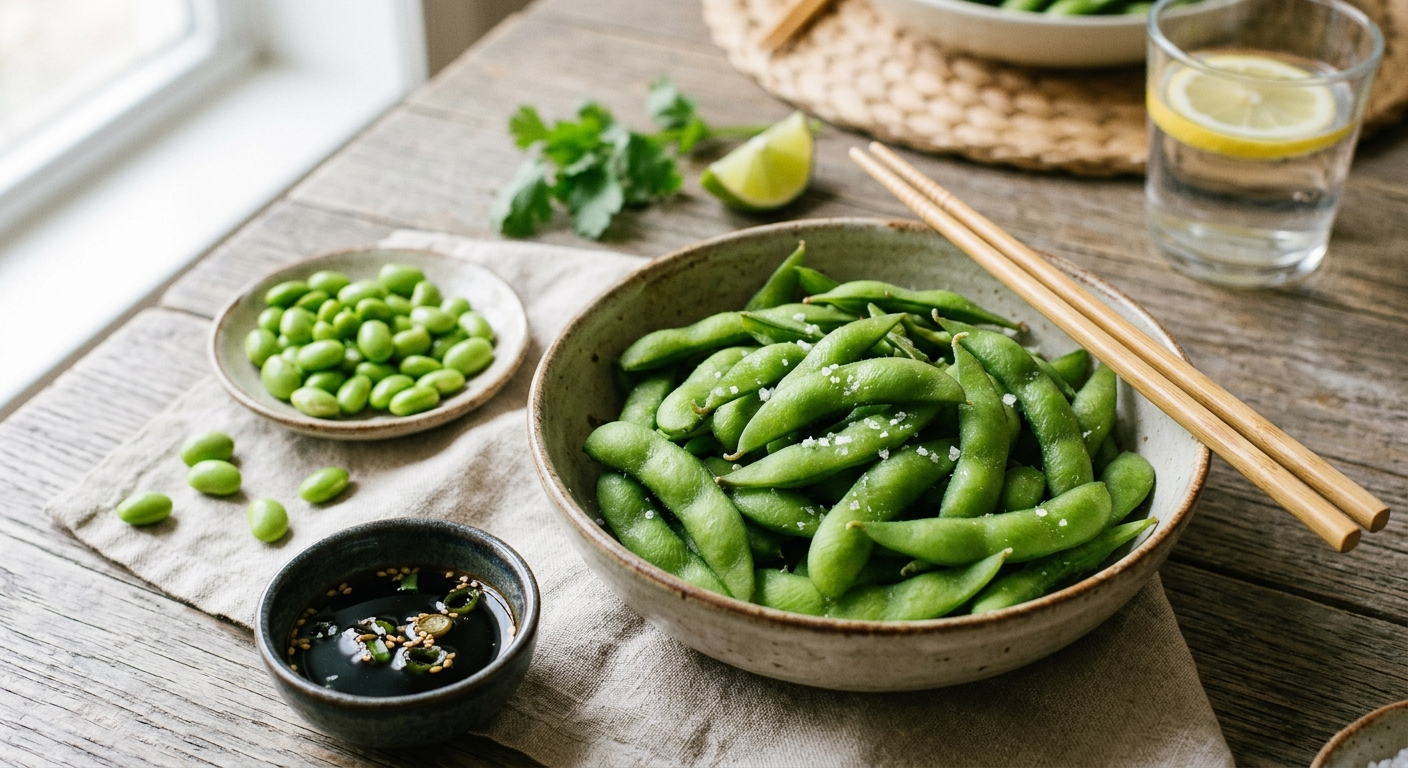
Edamame is another excellent option. These young soybeans are easy to snack on, add to salads, or serve with rice. A 100 g serving usually provides around 11 to 12 g of protein and roughly 120 to 130 calories.
Natto is a more traditional fermented soy food, especially known in Japanese cuisine. It is protein-rich and brings a very distinctive texture and taste, so it is not for everyone, but it is nutritionally interesting. A 100 g portion provides around 19 to 20 g of protein and about 210 calories.
Legumes and pulses
If there is one group that should be central in a beginner plant-based diet, it is legumes. They are affordable, filling, high in fiber, and excellent for everyday meals.
Lentils are one of the easiest wins. They cook relatively fast, work in soups, curries, salads, and pasta sauces, and provide a good amount of protein with very little fat. Per 100 g cooked, lentils offer about 9 g of protein and around 115 to 120 calories.
Chickpeas are another staple. They are slightly lower in protein than lentils per 100 g cooked, but they are still very useful and incredibly versatile. They work well in stews, hummus, roasted snacks, and grain bowls.
Black beans, kidney beans, and other beans are all worth using regularly. Their protein content is solid, but even more importantly, they help you build balanced meals that are filling and nutrient-dense.
Lupin beans are still unfamiliar to many people, which is why I like them as an example. They are a real protein powerhouse and also bring a lot of fiber. Depending on preparation, cooked lupin beans can provide about 16 g of protein and about 110 to 120 calories per 100 g, making them one of the most efficient plant proteins in terms of protein per calorie.
Wheat-based proteins
Some of the most practical high-protein plant foods are surprisingly simple.
Seitan is made from wheat gluten, and it is one of the highest-protein whole-food-style options available. It is especially useful for people who want a meat-like texture in stir-fries, sandwiches, and wraps. Per 100 g, seitan often provides around 24 to 25 g of protein and roughly 120 to 150 calories, depending on the recipe.
Textured vegetable protein (TVP) is another high-protein option, usually made from soy, peas, or lentils depending on the brand. It is dry, shelf-stable, and very handy for sauces, chili, tacos, and bolognese-style dishes. Per 100 g dry, TVP can deliver about 50 g of protein and around 320 to 330 calories, though a serving is usually much smaller once hydrated.
Fermented and specialty foods
These foods are not always daily staples for everyone, but they are useful to know about.
Mycoprotein is a protein-rich food made from fungi, best known through products like Quorn. It is neither plant nor animal, and it is often appreciated for its texture and nutritional profile. Research describes it as a nutritious alternative protein source, and some reviews highlight its fiber and micronutrient content as well. Always check the label, because some products may include egg or dairy ingredients.
Soy curls are another very practical option if you can find them. They are made from whole soybeans and are especially useful for meal prep because they rehydrate well and take on flavor easily. They are a great ingredient for beginners who want something that feels familiar and satisfying.
Nuts and seeds
Nuts and seeds are nutritious, but they are best understood as concentrated foods rather than main protein pillars. They can contribute meaningful protein, but they also come with a lot of calories, so portion size matters.
Hemp seeds are one of the best examples. They are rich in healthy fats and provide a strong amount of protein, with around 31 to 32 g of protein per 100 g and about 550 to 570 calories. A more realistic portion is 2 to 3 tablespoons, which still adds a useful protein boost to oatmeal, smoothies, and salads.
Pumpkin seeds are also a good option, especially for topping soups, salads, and grain bowls. They are not as protein-dense as hemp seeds, but they still contribute a lot of minerals and healthy fats.
Almonds and pistachios are useful snacks and toppings, but I would not treat them as your main protein source. Almonds provide about 21 g of protein per 100 g and around 579 calories, while pistachios provide about 20 g of protein per 100 g and around 557 to 560 calories. A small handful is the better real-world portion, usually around 25 to 30 g.
Chia seeds and flaxseeds are valuable for fiber and omega-3 fats, and they contribute some protein too. They are excellent additions, but they work best as supporting ingredients rather than the main protein source in a meal.
Grains and extras
Whole grains are not usually the highest-protein foods, but they still matter in a balanced diet.
Quinoa, buckwheat, amaranth, and similar grains or pseudocereals can help raise total protein intake, especially when combined with legumes. They are useful because they also add carbs, minerals, and texture to meals.
Oats are another good example. They are not a protein powerhouse on their own, but they make a better breakfast when combined with soy yogurt, nuts, seeds, or nut butter.
Nutritional yeast is not a main protein source, but it is a useful extra. It adds flavor, B vitamins when fortified, and a small protein boost to pasta, popcorn, and savory dishes.
How to build meals
For beginners, the easiest strategy is to anchor each main meal around one strong protein source.
A simple breakfast could be oats with soy yogurt, hemp seeds, and fruit. A lunch might be a lentil salad with quinoa and pumpkin seeds. Dinner could be tofu stir-fry with rice and vegetables, or seitan tacos with beans and salsa.
The pattern is simple: pick one main protein, add one or two supporting ingredients, and let the rest of the meal build around color, fiber, and flavor.
For more practical tips on making the transition stick, see 10 actionable tips to go vegetarian.
What beginners often miss
Many people think “protein” only means giant portions or specialty products. In reality, the biggest gains often come from adding a few reliable foods into a normal routine.
Another common mistake is underestimating calorie density. Nuts and seeds are great, but they are easy to overeat if you treat them like a lean protein source. On the other hand, legumes, tofu, tempeh, and seitan are much more practical as daily anchors because they deliver more protein relative to the calories you get.
A third mistake is expecting every meal to be perfect. You do not need to combine foods obsessively or chase perfect amino acid charts at every plate. What helps most is a varied pattern across the day and week.
Protein table
Here is a simple comparison of the most useful options, with protein and calories per 100 g plus a practical serving idea.
| Food | Protein per 100 g | Calories per 100 g | Practical portion |
|---|---|---|---|
| Seitan | 24–25 g | 120–150 kcal | 100–150 g in a meal |
| TVP, dry | ~50 g | ~320–330 kcal | 25–40 g dry, then rehydrated |
| Tempeh | 19–20 g | ~190–200 kcal | 100–150 g |
| Tofu | 12–17 g | ~140–190 kcal | 150–200 g |
| Natto | 19–20 g | ~210 kcal | 40–100 g |
| Lupin beans, cooked | ~16 g | ~110–120 kcal | 100–150 g |
| Lentils, cooked | ~9 g | ~115–120 kcal | 150–250 g |
| Edamame | ~11–12 g | ~120–130 kcal | 100–150 g |
| Hemp seeds | 31–32 g | ~550–570 kcal | 15–30 g |
| Almonds | ~21 g | ~579 kcal | 25–30 g |
| Pistachios | ~20 g | ~557–560 kcal | 25–30 g |
| Quinoa, cooked | ~4–5 g | ~120 kcal | 150–200 g |
Final takeaway
If you are just starting a vegetarian or vegan diet, the best move is not to obsess over one perfect protein food. The best move is to build a small list of reliable foods you actually enjoy and can eat often.
For most beginners, I would focus first on tofu, tempeh, lentils, beans, seitan, and a few seeds or nuts for support. That combination is simple, flexible, and more than enough to create satisfying, protein-rich meals without making food feel complicated.
About the Author

Founder of Goodbye Meat